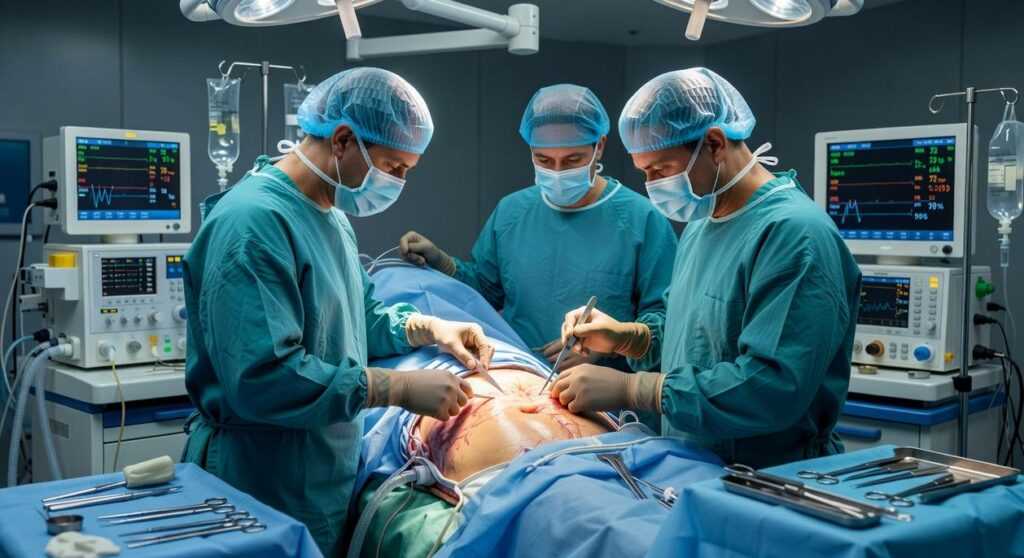
I know you’re searching for answers about a serious medical procedure. That’s why you’re here.
When you hear “surgical procedure to remove part or all of the abdomen,” what doctors are really talking about is abdominal resection surgery. These are operations that remove specific organs or parts of organs inside your abdominal cavity.
Not the entire abdomen itself. That’s a common misunderstanding.
This article will walk you through why these surgeries happen, what types exist, and what recovery looks like. I’ll keep the medical jargon to a minimum.
Here’s what matters: this is information only. I’m not your doctor. Every decision about surgery needs to happen between you and your medical team. They know your specific situation.
I wrote this because I know how overwhelming it feels when a doctor starts talking about abdominal surgery. You need clear answers without the confusion.
You’re probably worried. That’s normal. Let’s break down what you’re actually facing.
What is Abdominal Surgery and Why is it Performed?
Your abdomen is more than just your stomach.
It houses your intestines, liver, spleen, pancreas, kidneys, and a bunch of other organs that keep you alive. When doctors talk about abdominal surgery, they’re usually targeting one specific organ or tissue that’s causing problems.
Not the whole area at once.
Think of it like fixing one room in your house instead of tearing down the entire building. Surgeons go in with a plan for what needs repair or removal.
So why would you need this kind of surgery?
Malignant Conditions
Cancer is the big one. Colorectal cancer, stomach cancer, liver cancer, pancreatic cancer. When tumors grow in these organs, surgeons often need to remove the affected tissue. Sometimes that means taking out part of an organ or the whole thing, depending on how far the disease has spread.
Benign but Serious Diseases
Not everything that requires surgery is cancer. Severe inflammatory bowel disease like Crohn’s or ulcerative colitis can damage your intestines so badly that medication stops working. Diverticulitis can create pockets in your colon that get infected. Large benign tumors can press on other organs and cause real problems.
These conditions won’t kill you tomorrow, but they can seriously mess up your quality of life if left untreated.
Trauma or Injury
Car accidents happen. Falls happen. When your organs get damaged from physical trauma, surgeons sometimes need to repair or remove the injured tissue. Your body can’t always heal this kind of damage on its own.
Emergency Situations
Some abdominal issues can’t wait. Uncontrollable internal bleeding, severe infections like abscesses, intestinal obstructions, or perforations (holes in your organs) require immediate surgery. These are the cases where doctors use terms like abdomectomy to describe removing part of the abdominal wall or tissue.
The bottom line? Abdominal surgery happens when something inside isn’t working right and needs fixing now.
Common Types of Abdominal Resection Procedures
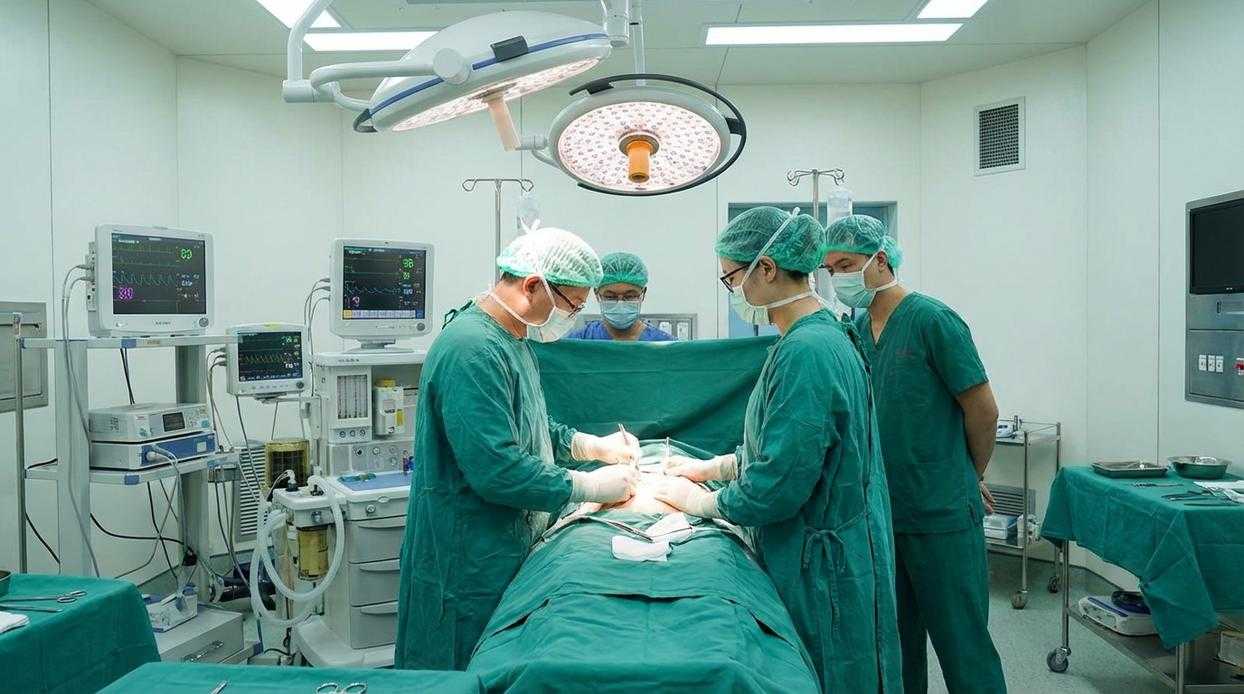
Let me walk you through the main procedures you’ll hear about.
Most articles list these surgeries but skip the part you actually need to know. Like what they really mean for your recovery or why doctors pick one approach over another.
I’m going to break down each procedure so you understand what’s happening.
Colectomy removes part or all of your colon. A hemicolectomy takes out a section while a total colectomy removes the whole thing. Doctors usually do this for colon cancer or inflammatory bowel disease. The surgery can be partial because your colon has different sections and sometimes the problem is isolated to just one area.
Gastrectomy means removing part or all of your stomach. Partial gastrectomy takes a portion while total gastrectomy removes everything. This typically happens with stomach cancer or ulcers that won’t heal any other way. (Yes, you can live without a stomach, though eating becomes very different.)
Hepatectomy is when surgeons remove part of your liver. Your liver can regenerate, which is why this works. They do this mainly for liver tumors, whether they started there or spread from somewhere else.
Splenectomy removes your spleen. This happens after trauma, with certain blood disorders, or sometimes cancer. You can live without your spleen but you’ll need vaccines since it helps fight infections.
Pancreatectomy covers several procedures. The Whipple procedure is the big one. It removes the head of your pancreas, your duodenum, and your gallbladder all at once. This is serious surgery, usually for pancreatic cancer.
Now here’s what most people don’t realize about abdomectomy procedures.
The surgical approach matters just as much as the procedure itself.
Open surgery uses one large incision. The surgeon can see everything directly. Recovery takes longer because that big cut needs time to heal. We’re talking weeks before you feel somewhat normal.
Minimally invasive surgery uses small incisions for laparoscopic or robotic tools. Recovery is faster, usually by a lot. You might be up and moving in days instead of weeks.
But not every procedure can be done minimally invasive. Sometimes the tumor is too big or in a tricky spot. Your surgeon will tell you which approach makes sense for your situation.
What competitors won’t tell you is that the same procedure can feel completely different based on the approach. I’ve seen people recover from laparoscopic colectomies in half the time it took others who had open surgery.
That’s not just about the incision size. It’s about how much your body has to repair afterward.
If you’re new to understanding medical procedures, check out this beginners guide to sports betting odds how to make informed decisions for a framework on evaluating complex information and making smart choices when the stakes matter.
Ask your surgeon which approach they recommend and why. The answer matters more than you think.
The Patient Journey: Preparing for and Recovering from Surgery
Let me walk you through what actually happens.
I know surgery feels overwhelming. You’re probably wondering what to expect at each step and how long recovery really takes.
Some doctors say you’ll bounce back in no time. They paint this picture of a quick procedure and an easy recovery. And sure, modern techniques have come a long way.
But that’s not the whole story.
Recovery takes time. Your body needs to heal, and rushing the process only sets you back.
Here’s what the timeline really looks like.
Before You Go Under
Your surgeon will order blood tests and imaging. If you’re having an abdomectomy or similar procedure, you might need a CT scan to map everything out.
You’ll meet with the anesthesiologist. They’ll ask about medications and allergies (this matters more than you think).
Most procedures require bowel prep or fasting. Follow those instructions exactly. I’ve seen surgeries delayed because someone thought a small snack wouldn’t matter.
The First 24 Hours
You wake up in recovery. The nurses monitor your vitals while the anesthesia wears off.
Pain management starts immediately. You might get a PCA pump where you control your own medication, or they’ll give you pills on a schedule.
Here’s something important. They’ll want you walking within hours of surgery. It feels wrong, but early movement prevents blood clots and speeds healing.
Your diet starts with clear liquids. Then you work up to solid foods as your body tolerates it.
Going Home
Most people need weeks to months for full recovery.
Watch your incision. Redness, warmth, or drainage means infection. Call your doctor right away.
No heavy lifting. Your core needs time to rebuild strength.
Pro tip: Set phone reminders for your follow-up appointments. Missing them is how small problems become big ones.
Your body will tell you when it’s ready. Listen to it.
Navigating Your Path Forward
I know you came here with questions about abdomectomy and what it really means for you.
You needed straight answers without the medical jargon. You got them.
The uncertainty around major surgery is real. The anxiety makes sense. You’re facing something big and you want to know what happens next.
Here’s the truth: abdomectomy is serious. But it’s also a procedure that saves lives when serious medical conditions leave no other option.
Your doctors recommend it because they believe it’s necessary. That matters.
What you do next matters more. You need to sit down with your healthcare provider and have a real conversation. Ask every question on your mind. Get answers that fit your specific situation.
They’ll build a care plan that works for you. Not some generic approach but something tailored to your needs and your body.
This is your health. Your life. Don’t move forward until you feel informed and ready.
Schedule that conversation today.